704-844-2943
AVAILABLE FOR EMERGENCIESDental Implants vs. Dentures & Bridges
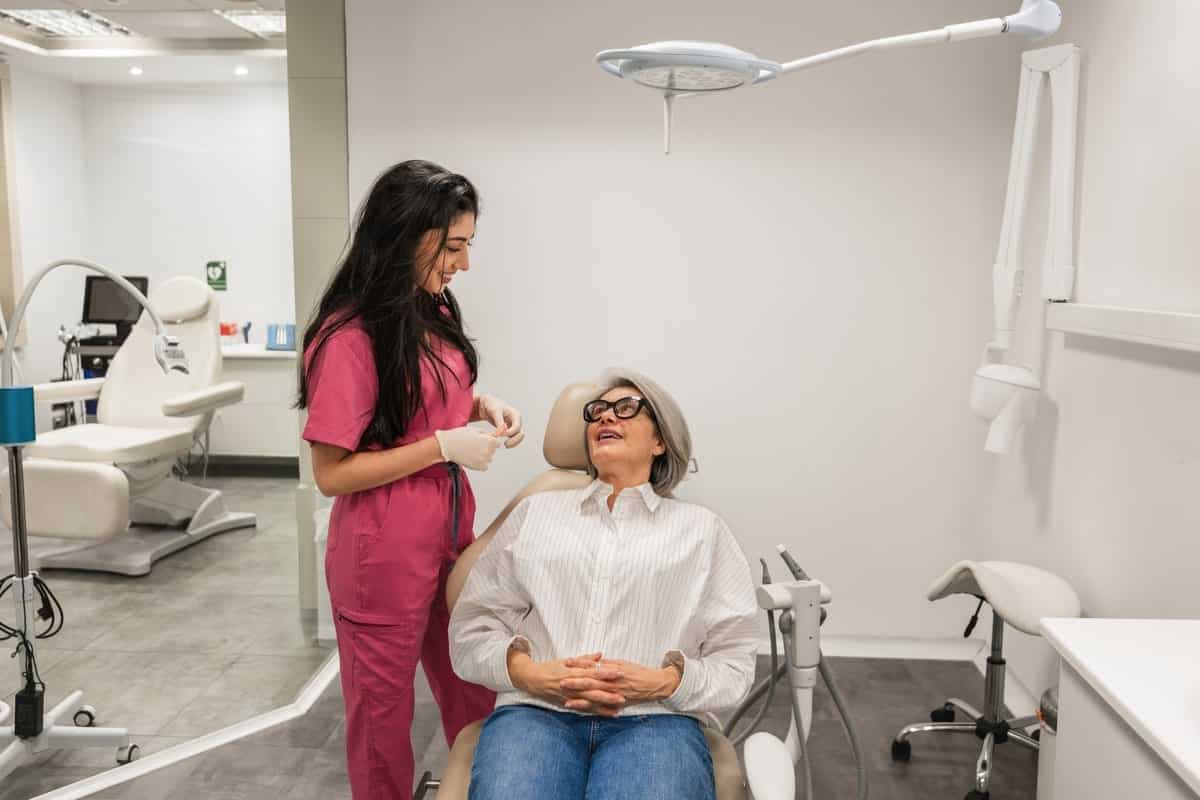
Losing a tooth changes more than your smile. It affects how you eat, speak, and feel about yourself. If you live in Weddington and you are weighing dental implants vs. dentures and bridges, you are not alone. Many patients ask Dr. Hiren Patel the same question every week. This guide breaks down each option clearly so you can decide which fits your life best.
Understanding Your Three Main Options for Tooth Replacement
Before comparing, it helps to understand what each option actually is. Dental implants are titanium posts placed into the jawbone. They act as artificial tooth roots and support a crown on top. They look, feel, and function like natural teeth.
Dental bridges span the gap left by a missing tooth. They anchor to the teeth on either side of the gap. Those anchor teeth — also called abutment teeth — are fitted with Dental Crowns to hold the bridge in place. This is a proven, non-surgical solution that many patients choose.
Dentures are removable appliances that replace multiple missing teeth. They rest on the gums and can cover an entire arch. Modern dentures fit better and look more natural than older versions. They remain a practical choice for patients missing many teeth at once.
Dental Implants vs. Dentures and Bridges: Key Differences for Weddington Patients
Choosing between these options comes down to several personal factors. Your bone health, lifestyle, budget, and how many teeth you are replacing all matter. Here is a side-by-side look at what sets these options apart.
- Longevity: Implants can last a lifetime with proper care. Bridges typically last 10–15 years. Dentures may need replacement or adjustment every 5–10 years.
- Bone preservation: Implants stimulate the jawbone and prevent bone loss. Bridges and dentures do not stimulate bone. Over time, bone loss can change your facial shape.
- Feel and function: Implants feel the most like natural teeth. Bridges feel fixed and stable. Dentures can shift and require adhesive in some cases.
- Maintenance: Implants are brushed and flossed normally. Bridges need special flossing tools under the bridge. Dentures must be removed and soaked nightly.
- Procedure time: Implants involve surgery and a healing period of several months. Bridges and dentures are completed faster, often within a few weeks.
No single option wins across every category. The right choice depends on your specific situation and priorities.
When Dental Implants Might Be the Right Fit
Implants work best for patients who want a long-term, low-maintenance solution. If you are replacing one or a few teeth and have healthy jawbone density, implants are often ideal. They do not require altering neighboring teeth as bridges do.
Implants also suit patients who want to eat freely without worry. You can bite into an apple or enjoy your favorite foods without hesitation. Many Weddington patients find that implants boost their confidence significantly.
However, implants require adequate bone to place the titanium post securely. Some patients need a bone graft first, which adds time to the process. Dr. Patel evaluates each patient individually to determine if implants are a safe and suitable option.
When Bridges or Dentures Might Suit Your Lifestyle Better
Bridges are an excellent option when two healthy teeth already flank the gap. They restore chewing function quickly without surgery. If you prefer a faster solution, a bridge may feel more manageable for your timeline and comfort level.
Dentures make the most sense when you are missing most or all of your teeth. Full dentures can replace an entire arch in a shorter timeframe. They are also non-surgical, which appeals to patients who cannot or prefer not to undergo implant surgery.
Partial dentures serve patients missing several teeth in different spots. They clip to remaining teeth and fill multiple gaps at once. For patients seeking a removable and adjustable option, partials offer real flexibility.
- Best candidates for bridges: Those missing one or two adjacent teeth with healthy neighboring teeth.
- Best candidates for full dentures: Those missing most or all teeth in one or both arches.
- Best candidates for partial dentures: Those with several scattered missing teeth who prefer a non-surgical option.
- Best candidates for implants: Those with sufficient bone, good overall health, and one or more missing teeth to replace long-term.
What to Expect at First in Smiles Dentistry in Matthews
At First in Smiles Dentistry, Dr. Hiren Patel takes a thorough, patient-first approach to every consultation. He reviews your dental X-rays, discusses your health history, and listens to your goals. There is no pressure to choose any single treatment path.
The practice serves patients from Weddington and the surrounding Matthews area. The team walks you through realistic timelines, care routines, and what recovery looks like for each option. Your comfort and confidence guide every recommendation made.
First in Smiles also offers complementary preventive services to protect your overall oral health. Keeping existing teeth strong is just as important as replacing missing ones. Ask about Dental Sealants during your visit to protect remaining natural teeth from decay.
Whether you are leaning toward implants, a bridge, or dentures, the right path starts with a conversation. Dr. Patel helps you weigh the trade-offs honestly so you can make a confident, informed decision. Book Now to schedule your appointment with our team.
Frequently Asked Questions
How do I know if I have enough bone for a dental implant?
Dr. Patel uses dental X-rays and a clinical exam to assess your jawbone density. If bone loss has occurred, a bone graft may be recommended before implant placement. Many patients are still good candidates after a graft heals.
Will a dental bridge damage the neighboring teeth?
Placing a bridge does require reshaping the abutment teeth on either side of the gap. Those teeth are permanently altered to support the crowns that anchor the bridge. This is a key trade-off to consider when comparing bridges to implants.
Are dentures uncomfortable to wear all day?
Modern dentures are more comfortable and better fitting than older versions. Some patients experience minor soreness during the adjustment period. Your dentist can make adjustments to improve fit over time as your mouth adapts.
How long does it take to get dental implants from start to finish?
The full implant process typically takes three to six months or longer. This includes surgery, a healing period called osseointegration, and placement of the final crown. Patients who need bone grafting may require additional healing time beforehand.
Can I switch from dentures to dental implants later?
Yes, many patients transition from dentures to implants when they are ready. Implant-supported dentures are also a popular middle-ground option. Dr. Patel can help you explore your options at any stage of your tooth replacement journey.