704-844-2943
AVAILABLE FOR EMERGENCIESDentures vs. Implants: Which Actually Preserves Your Jaw
If you’ve lost one or more teeth, you’ve probably heard about both dentures and implants. The big question most patients in Matthews ask is simple: which option actually preserves your jaw? When you compare dentures vs. implants honestly, the differences go far beyond cost. This guide walks you through bone health, daily function, and long-term quality of life — so you can make the best choice for your smile.
Why Jaw Bone Loss Matters After Tooth Loss
Most people don’t realize that your teeth do more than chew food. They stimulate your jaw bone every time you bite. This stimulation signals your body to keep producing bone tissue in that area.
When a tooth is lost, that stimulation disappears. The jaw bone in that spot starts to shrink — a process called bone resorption. Within the first year of tooth loss, you can lose up to 25% of bone width in that area.
Over time, continued bone loss changes your facial structure. Your cheeks may look hollow. Your chin may appear to jut forward. This is why the dentures vs. implants conversation in Matthews starts with bone health — not just tooth replacement.
How Dentures Affect Your Jaw Over Time
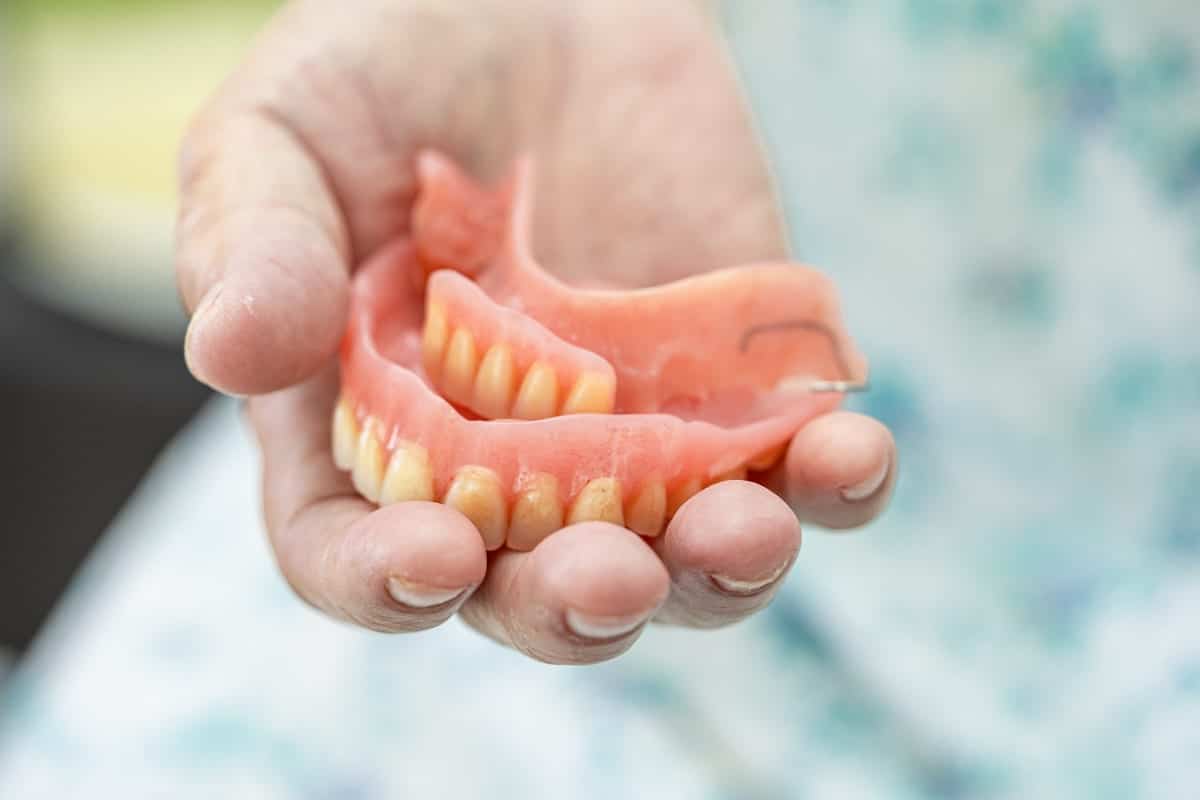
Dentures are a time-tested solution that many patients rely on. They restore your ability to chew and speak, and they cost less upfront. However, dentures sit on top of your gums — they don’t connect to your jaw bone.
Because they don’t stimulate the bone underneath, bone resorption continues even with dentures in place. Over the years, your jaw shape changes. Your dentures will gradually fit less securely, requiring adjustments or replacements.
Many denture wearers notice changes within five to seven years. The dentures that once fit perfectly may begin to slip or cause sore spots. Some patients need adhesives to keep them in place daily.
- Dentures do not prevent bone loss after tooth removal
- Bone resorption continues throughout the time you wear dentures
- Fit changes over time require relining or replacement
- Chewing efficiency decreases as bone loss progresses
- Some foods become difficult or impossible to eat comfortably
None of this means dentures are a bad choice. For some patients, they’re the right fit. But it’s important to understand the long-term jaw impact before deciding.
How Dental Implants Preserve Your Jaw in Matthews
Dental implants work differently at a foundational level. A titanium post is surgically placed into your jaw bone. Over several weeks, the bone fuses around it in a process called osseointegration.
This fusion is the key advantage. The implant now acts like a tooth root. Every time you bite or chew, it transmits pressure directly into the jaw bone — mimicking natural tooth stimulation. That signal tells your body to keep building bone tissue in that spot.
Studies consistently show that dental implants stop bone resorption in treated areas. Patients who choose implants often maintain their jaw structure for decades. That directly supports your facial appearance and overall oral health.
- Implants fuse with the jaw bone, preserving its density
- Bite force stimulates healthy bone remodeling
- Facial structure is better maintained long-term
- Implants function like natural teeth in daily use
- No adhesives or removable parts are needed
Implants also work well alongside other restorations. For example, Dental Crowns Matthews patients often receive are placed on top of implants to create a complete, natural-looking tooth. This combination delivers both function and aesthetics.
Cost, Function, and Quality of Life: An Honest Comparison
The upfront cost of dentures is lower than implants — that’s simply true. Traditional dentures can cost significantly less per tooth than implants. This makes them more accessible for patients with immediate budget concerns.
However, the long-term cost picture is more nuanced. Dentures need relining, repairs, and eventual replacement. Implants require a larger initial investment, but many last a lifetime with proper care. Over 20 years, the total costs can be surprisingly similar.
Function is where implants often win decisively. Implant-supported teeth allow you to eat almost anything. There’s no slipping, no removal at night, and no adhesive required. Patients frequently report higher confidence and comfort in social situations.
Daily oral hygiene also differs between the two options. Dentures are removed and cleaned separately. Implants are brushed and flossed just like natural teeth. For patients focused on preventive care — including treatments like Dental Sealants Matthews providers recommend — implants integrate seamlessly into a regular hygiene routine.
Which Option Is Right for You in Matthews, NC?
The honest answer is: it depends on your health, bone density, and personal goals. Not every patient is a candidate for implants. Sufficient bone density is required for successful implant placement. Patients with significant existing bone loss may need a bone graft first.
Dentures remain a strong choice for patients who need immediate tooth replacement or who prefer a non-surgical option. Modern dentures are more comfortable and natural-looking than ever before. They can also serve as a temporary solution while patients consider longer-term options.
Dr. Hiren Patel at First in Smiles Dentistry evaluates each patient individually. Your jaw bone health, overall medical history, and personal priorities all factor into the recommendation. There is no one-size-fits-all answer in tooth replacement.
If you’re somewhere in between — needing several teeth replaced — implant-supported dentures may offer a middle ground. These snap onto implants for stability while still being removable. This hybrid approach is gaining popularity among Matthews patients who want better retention without full implant costs.
Conclusion: Making the Right Choice for Your Jaw Health
When it comes to dentures vs. implants and which actually preserves your jaw in Matthews, the evidence points clearly to implants as the superior option for long-term bone health. Dentures offer accessibility and affordability, but they don’t stop bone loss. Implants actively prevent it by stimulating the jaw the way natural teeth do.
The best decision is always an informed one made with a trusted dental team. Dr. Hiren Patel and the team at First in Smiles Dentistry are here to walk you through your options with clarity and honesty. Book Now to schedule your appointment with our team.
Frequently Asked Questions
Do dentures cause jaw bone loss over time?
Yes. Dentures rest on the gums and do not stimulate the underlying bone. Because bone stimulation stops after tooth loss, the jaw continues to shrink even while wearing dentures. This is why fit changes and adjustments become necessary over the years.
How long do dental implants last compared to dentures?
Dental implants are designed to last a lifetime with proper care and regular dental checkups. Dentures typically need relining every few years and full replacement every 10 to 15 years. Implants offer greater long-term durability for most patients.
Are dental implants painful to get?
Most patients report that the implant procedure is more comfortable than expected. Local anesthesia is used throughout the surgery. Post-procedure soreness is manageable with over-the-counter pain relief, and most patients return to normal activity within a day or two.
Can anyone get dental implants in Matthews, NC?
Most healthy adults are candidates for dental implants. However, sufficient jaw bone density is required for successful placement. Patients with bone loss may need a grafting procedure first. Dr. Hiren Patel will evaluate your bone health before recommending implants.
What is the difference between implant-supported dentures and traditional dentures?
Traditional dentures rest on the gums and can shift or slip. Implant-supported dentures attach to implant posts placed in the jaw, providing much greater stability. They offer better chewing function and help slow bone loss in areas where implants are placed.