704-844-2943
AVAILABLE FOR EMERGENCIESDental Crown Appointment in Indian Trail, NC

If you live in Indian Trail and need a dental crown, you may feel a little nervous about the process. That is completely normal. Knowing what happens during your dental crown appointment — step by step — can make the whole experience far less intimidating. At First in Smiles Dentistry, Dr. Hiren Patel guides every patient through each stage with patience and clarity. This guide will walk you through everything from numbing to temporary placement to final seating.
Why You Might Need a Dental Crown in Indian Trail
A dental crown is a cap placed over a damaged or weakened tooth. It restores the tooth’s shape, strength, and appearance. Crowns are often recommended after large fillings, fractures, or Root Canal Therapy. They also protect teeth that are at risk of breaking under normal chewing forces.
There are several situations where Dr. Patel may recommend a crown for Indian Trail patients:
- A tooth with a crack or significant decay
- A tooth that has undergone root canal treatment
- A broken cusp or fractured filling
- A tooth worn down from grinding
- A tooth that needs cosmetic improvement
Understanding why you need a crown helps set the stage for understanding the procedure itself. The process has a clear, logical flow. Each step builds on the last.
Step One: Preparing the Tooth and Getting Comfortable
Your crown appointment typically begins with a conversation. Dr. Patel will review your X-rays and confirm the treatment plan. He will answer any questions you have before anything begins. This is your chance to voice any concerns about comfort or anxiety.
Next, the numbing process begins. Dr. Patel applies a topical anesthetic to the gum before using an injection. Most patients feel only mild pressure — not sharp pain. The local anesthetic takes effect within a few minutes.
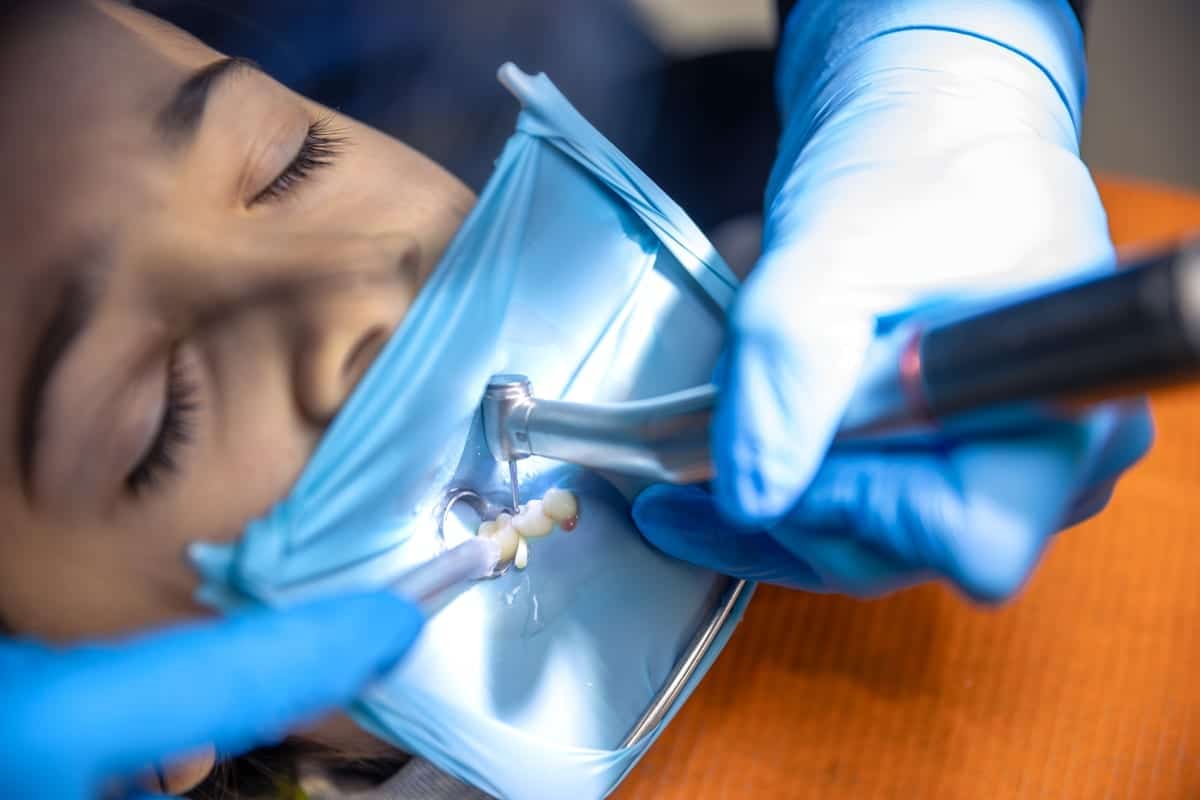
Once you are numb, Dr. Patel reshapes the tooth. He carefully removes a thin layer of enamel from all sides. This creates space for the crown to fit naturally over the tooth. The amount removed depends on the crown material being used.
Step Two: Taking an Impression and Placing a Temporary Crown
After reshaping, Dr. Patel takes a precise impression of the tooth. This impression captures the exact shape of your prepared tooth. It also records how your upper and lower teeth fit together. Many modern dental offices use digital scanners instead of traditional putty impressions.
The impression is sent to a dental laboratory. Skilled technicians use it to fabricate your permanent crown. This process typically takes one to two weeks. During that time, you will wear a temporary crown to protect your prepared tooth.
The temporary crown is made from a resin material. It is shaped and fitted right in the office. Dr. Patel cements it in place using a softer, temporary adhesive. This allows for easy removal at your next visit.
Here is what to keep in mind while wearing your temporary crown:
- Avoid sticky or hard foods that could dislodge it
- Chew on the opposite side when possible
- Brush gently around the temporary crown
- Call the office right away if it falls off or feels loose
What Happens During Your Final Crown Appointment in Indian Trail
When your permanent crown arrives from the lab, you return for the final seating appointment. This visit is usually shorter than the first one. Dr. Patel removes the temporary crown and cleans the tooth thoroughly. He then checks the fit, shape, and color of your new crown.
Fit is critical. The crown must sit flush with surrounding teeth and align with your bite. Dr. Patel will ask you to bite down on special paper to check your occlusion. He makes small adjustments until everything feels completely natural.
Once the fit is confirmed, the crown is permanently cemented in place. Dr. Patel removes any excess cement and checks your bite one more time. The whole seating appointment often takes less than an hour. Most patients leave feeling comfortable and confident in their new smile.
Aftercare and What to Expect Once Your Crown Is Placed
Most patients experience mild sensitivity after crown placement. This is normal and usually fades within a few days. Over-the-counter pain relievers can help manage any discomfort. Avoid very hot or cold foods for the first 24 to 48 hours.
Your crown can last 10 to 15 years or longer with proper care. Brush twice daily and floss carefully around the crown margin. Regular cleanings at First in Smiles Dentistry help extend the life of your restoration. Patients in Indian Trail are encouraged to maintain their six-month checkup schedule.
It is also worth noting that crowns work alongside other preventive treatments. For example, patients who grind their teeth may benefit from a night guard. And if you have children, ask Dr. Patel whether Dental Sealants could help protect their teeth before problems develop. Prevention and restoration often go hand in hand.
A dental crown is one of the most versatile restorations in modern dentistry. It protects, restores, and even improves the appearance of a tooth. Knowing each step of the process helps you walk in feeling calm and prepared. Dr. Patel and the First in Smiles team are here to support you throughout the entire journey. Book Now to schedule your appointment with our team.
Frequently Asked Questions
How long does a dental crown appointment take in Indian Trail?
The first appointment — which includes tooth preparation and temporary crown placement — usually takes 60 to 90 minutes. The second appointment for final crown seating is typically shorter, often around 30 to 45 minutes. Total time varies based on the complexity of your case.
Does getting a dental crown hurt?
Most patients experience little to no pain during the procedure. Dr. Patel uses local anesthesia to numb the area thoroughly before reshaping the tooth. You may feel some pressure, but sharp pain is uncommon. Mild soreness after the appointment is normal and fades within a few days.
How do I care for my tooth while wearing a temporary crown?
Avoid sticky, hard, or chewy foods while wearing a temporary crown. Try to chew on the opposite side of your mouth. Brush gently around the crown and use care when flossing. Contact First in Smiles Dentistry immediately if your temporary crown feels loose or falls off.
Can a crown be placed on any tooth?
Crowns can be placed on most teeth, including front and back teeth. The material used may differ depending on the tooth’s location and function. Dr. Patel will discuss the best crown type for your specific situation during your consultation.
What is the difference between a crown and a veneer?
A crown covers the entire tooth all the way around, while a veneer only covers the front surface. Crowns are used when a tooth is damaged, weakened, or has had a root canal. Veneers are primarily cosmetic and used on teeth that are structurally sound. Dr. Patel can help you determine which option is right for your smile goals.