704-844-2943
AVAILABLE FOR EMERGENCIESWhy Your Dental Fillings Don’t Last Forever—And What Does

If you’ve had a filling placed, you may assume it’s a permanent fix. Unfortunately, that’s rarely the case. Understanding why your dental fillings don’t last forever—and what does in Matthews—can help you make smarter decisions about your oral health. Dr. Hiren Patel at First in Smiles Dentistry sees patients every week whose old fillings are failing, often silently. The good news is that longer-lasting solutions do exist, and knowing your options puts you in control.
How Long Do Dental Fillings Actually Last?
The lifespan of a filling depends heavily on the material used. Amalgam (silver) fillings can last 10 to 15 years with proper care. Composite (tooth-colored) fillings typically last 5 to 10 years before showing wear. Neither material is truly permanent.
Several factors speed up the breakdown process. Chewing hard foods, grinding your teeth, and skipping regular cleanings all shorten a filling’s life. The location of the filling matters too — back teeth endure far more biting force than front teeth.
Even a well-placed filling will eventually crack, chip, or shrink. When that happens, bacteria can sneak underneath and restart the decay process. That’s why routine checkups in Matthews are so important for catching problems early.
What Shortens a Filling’s Lifespan in Matthews Patients
Certain habits and conditions accelerate filling failure. Dr. Patel commonly identifies these culprits in patients at First in Smiles Dentistry:
- Bruxism (teeth grinding): Grinding creates intense pressure that cracks and wears down fillings faster than normal chewing.
- Acidic diet: Frequent consumption of sodas, citrus, and sports drinks erodes both tooth enamel and composite resin.
- Poor oral hygiene: Inadequate brushing and flossing allows decay to form around filling edges.
- Missed dental visits: Without regular monitoring, small cracks in fillings go undetected until major damage occurs.
- Nail biting or chewing ice: These habits place unpredictable stress on restorations and natural teeth alike.
Identifying your personal risk factors is the first step toward protecting your investment in dental care. A quick conversation with Dr. Patel can reveal which habits are quietly costing you the most.
What You Can Do to Extend the Life of Your Fillings
You have more control than you might think. Small daily choices add up to significantly longer-lasting restorations. Here are evidence-based habits that help fillings survive longer:
- Brush twice daily with fluoride toothpaste to strengthen enamel around fillings.
- Floss daily to remove plaque from filling margins where decay often restarts.
- Wear a custom nightguard if you grind your teeth while sleeping.
- Avoid chewing ice, hard candies, or using your teeth as tools.
- Schedule cleanings every six months so Dr. Patel can monitor filling integrity.
- Ask about Dental Sealants Matthews for added protection on back teeth.
Dental sealants coat the grooves of molars and create a barrier against bacteria. They’re especially useful for protecting teeth adjacent to existing fillings. Combined with good hygiene, sealants can meaningfully extend the life of your restorations.
When a Filling Fails — What Comes Next in Matthews
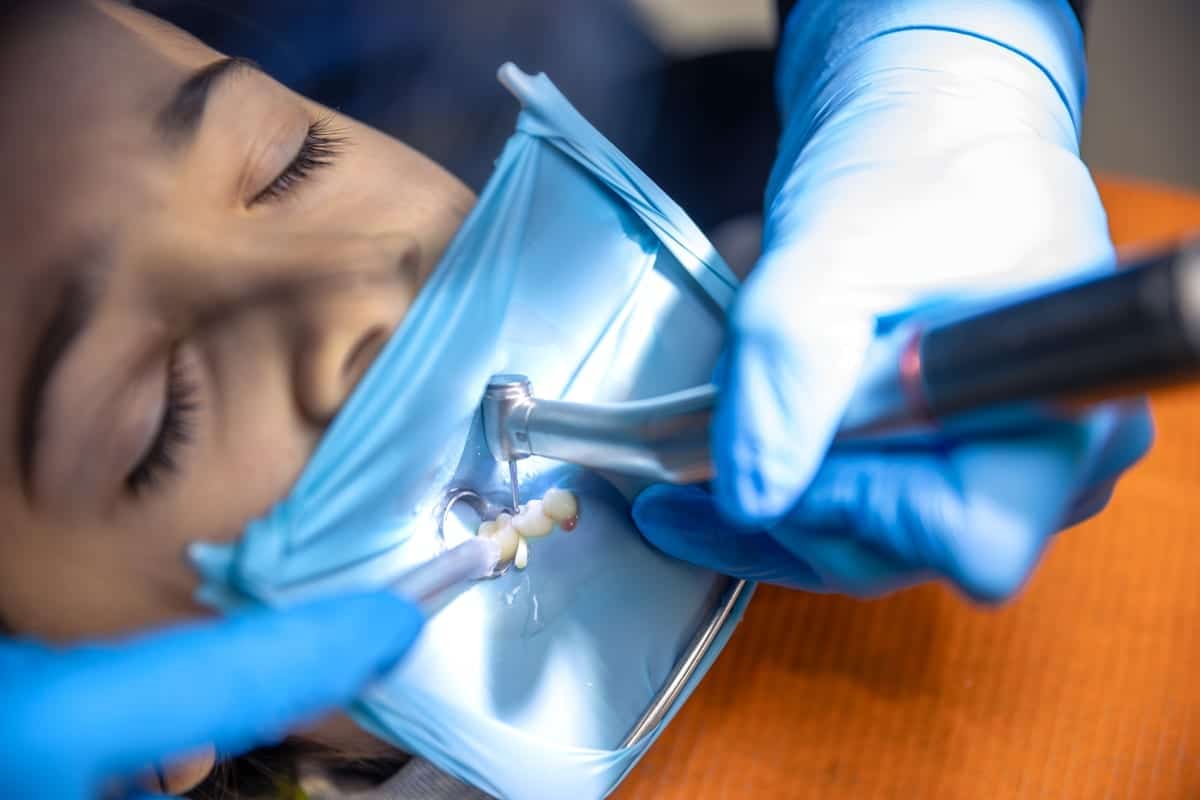
A failed filling doesn’t always mean pain. Sometimes the only sign is a subtle rough edge or food that keeps getting caught in the same spot. Dr. Patel uses digital X-rays and careful examination to detect failing restorations before they cause serious damage.
When a filling can no longer do its job, a more durable restoration is usually the right next step. For teeth with significant decay or structural loss, a dental crown provides full coverage and lasting strength. Dental Crowns Matthews patients can rely on are custom-crafted at First in Smiles Dentistry to match your natural tooth shape and color.
Crowns are made from porcelain, ceramic, or zirconia — materials far more resistant to wear than composite resin. With proper care, a crown can last 15 to 25 years or even longer. That’s a meaningful upgrade from a filling’s typical 5 to 10-year window.
In cases of severe decay that reaches the tooth’s inner pulp, root canal treatment may be needed before placing a crown. Dr. Patel handles root canal treatment with precision and compassion, helping patients in Matthews avoid unnecessary tooth loss.
Long-Term Solutions That Outlast Traditional Fillings
For patients in Matthews who want the most durable results, several options consistently outperform traditional fillings over time. Understanding these alternatives helps you have informed conversations with Dr. Patel about what fits your situation best.
Dental crowns cover the entire visible tooth and withstand daily chewing forces better than any filling material. They’re the go-to choice when more than half of a tooth’s structure is compromised.
Dental implants replace missing teeth entirely with a titanium root and a lifelike crown. When properly maintained, implants can last a lifetime. They’re the gold standard for replacing a tooth that couldn’t be saved.
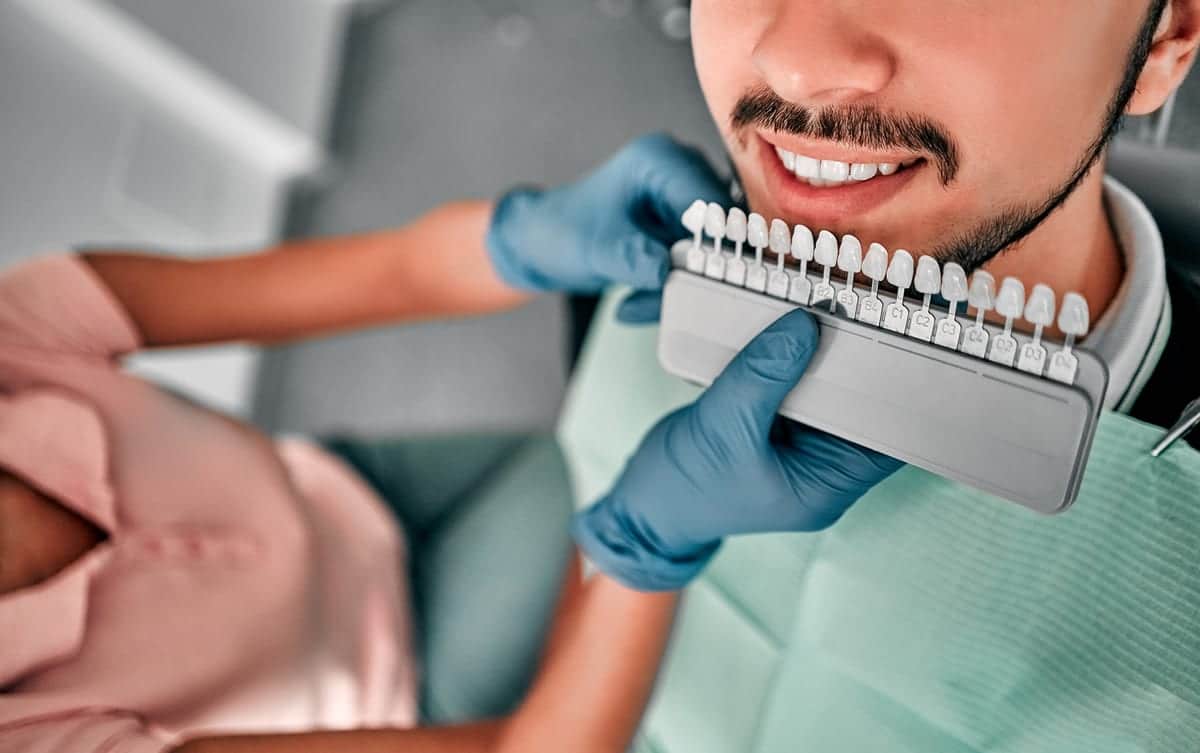
Porcelain veneers aren’t fillings, but they protect and restore front teeth with a strong, stain-resistant layer that lasts 10 to 20 years. They’re an excellent option when front teeth have repeated decay or surface damage.
The right choice depends on how much tooth structure remains, your bite, and your long-term goals. Dr. Patel takes time to walk every Matthews patient through their specific situation without rushing or oversimplifying.
Conclusion: Invest in Solutions That Stand the Test of Time
Fillings serve a vital role in dentistry, but they were never designed to last a lifetime. Understanding why your dental fillings don’t last forever—and what does in Matthews—empowers you to plan ahead and avoid repeated treatment cycles. Whether you need a replacement filling, a durable crown, or a more comprehensive restoration, First in Smiles Dentistry is here to guide you. Book Now to schedule your appointment with our team.
Frequently Asked Questions
How do I know if my filling is failing?
Common signs include sensitivity to temperature, a rough or sharp edge on the tooth, visible cracks, or food that consistently gets stuck in the same spot. Sometimes there are no obvious symptoms at all, which is why regular checkups with Dr. Patel are so important. Digital X-rays can detect problems beneath the surface before they become painful.
Is it better to get a crown instead of a new filling?
If a tooth has been filled and refilled multiple times, or if the decay is extensive, a crown is often the better long-term investment. Crowns cover the entire tooth and provide significantly more strength and durability than a filling. Dr. Patel will evaluate the amount of remaining tooth structure before making a recommendation.
How long do dental crowns last compared to fillings?
Dental crowns typically last 15 to 25 years with proper care, while composite fillings average 5 to 10 years. The lifespan of both depends on oral hygiene habits, diet, and whether you grind your teeth. Crowns made from zirconia or porcelain-fused-to-metal tend to be the most durable options available.
Can a failing filling cause bigger dental problems?
Yes. When a filling cracks or gaps, bacteria can enter the space between the filling and the tooth. This leads to new decay underneath the existing restoration, which is often more extensive than the original cavity. In advanced cases, infection can spread to the tooth’s root and require root canal treatment or extraction.
What are dental sealants and do adults benefit from them?
Dental sealants are thin protective coatings applied to the chewing surfaces of back teeth. They seal off the deep grooves where bacteria tend to collect and decay begins. While commonly associated with children, adults without existing decay or fillings on their molars can also benefit from sealants as a preventive measure.