704-844-2943
AVAILABLE FOR EMERGENCIESDoes Sleep Apnea Increase Risk of Heart Disease?
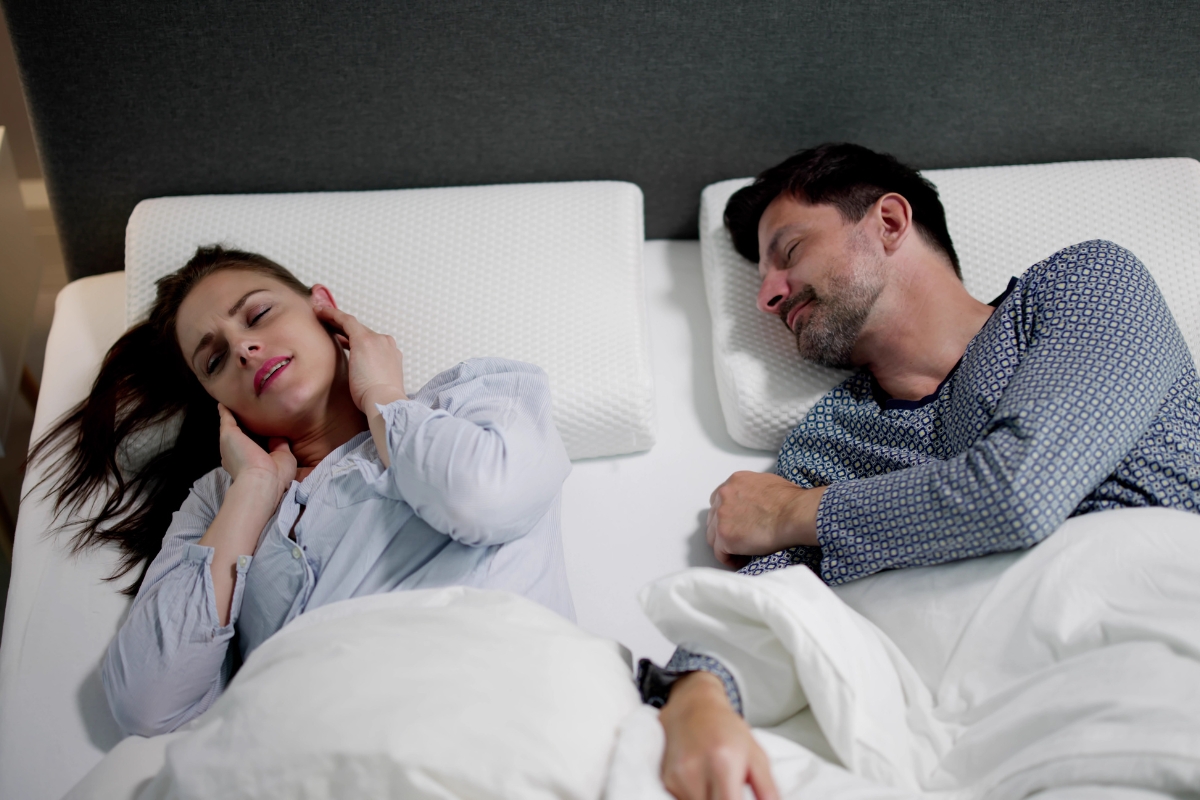
Sleep problems can slowly become your routine without timely treatment. One day, you’re just a little tired; next thing you know, you’re waking up groggy, snoring so loud you could wake the neighbors, and dragging through your afternoons. If you’ve started to wonder whether there’s more going on, you’re not alone. People talk a lot about the link between sleep apnea and heart disease, and it’s not just talk. Years of research back it up. If staying healthy matters to you, sleep apnea heart risk is something you can’t ignore.
What Sleep Apnea Does to Your Body
Sleep apnea isn’t just about loud snoring or tossing and turning. It literally stops your breathing, over and over, while you sleep. Every time this happens, your oxygen levels drop, and your body jolts awake, even if you don’t realize it. After a while, this constant stress takes a toll on way more than your sleep.
The American Heart Association reports that up to half of people with sleep apnea also have high blood pressure – a huge red flag for future heart problems. When your breathing stalls, your body works harder just to get enough oxygen. Your heart speeds up, your blood vessels tighten, and this cycle can repeat hundreds of times a night. No wonder your cardiovascular system gets worn out.
That’s one big reason people seek sleep apnea treatment in Matthews: protecting your heart often starts with getting your breathing under control.
Why Sleep Apnea Raises Your Heart Risk
So what’s really happening between sleep apnea and your heart? It’s not just about feeling tired. Each time your breathing stops, your heart faces a new round of stress. Over time, this adds up.
Here’s what researchers have found when it comes to sleep apnea heart risk:
- High blood pressure: Every time your breathing cuts out, your body releases stress hormones. Blood vessels narrow, and blood pressure goes up.
- Arrhythmias: Low oxygen can mess with the heart’s electrical system, leading to irregular heartbeats.
- Coronary artery strain: Long-term inflammation from untreated sleep apnea can lead to plaque buildup in your arteries.
- Heart failure risk: Sleep apnea shows up in nearly 40% of people with heart failure, according to the National Institutes of Health. These two problems are tightly connected.
This is a wake-up call. Taking care of sleep apnea early helps keep your blood pressure in check, your oxygen levels stable, and your heart working the way it should.
How Treating Sleep Apnea Protects Your Heart and Your Life
When you start treating sleep apnea, you give your heart the strength to function as usual. Most people notice more than just better sleep. They feel fresh in the morning. Their mood lifts. They stop nodding off in the middle of the day. Those everyday changes matter just as much as the significant health benefits.
Treatment options include oral appliance therapy, airway support devices, lifestyle modifications, and even learning to sleep in a better position. Your dentist can help you pick what fits your life and keeps your heart out of risk.
Better breathing at night means your heart doesn’t have to fight so hard. Your oxygen levels even out, your blood pressure gets easier to manage, and your risk of heart trouble drops. Every step you take against sleep apnea is a step toward a stronger, healthier you.
Your Heart Needs Good Sleep
Letting sleep apnea slide doesn’t solve anything. If anything, it just sets you up for more health issues, especially heart problems. Getting help early is one of the simplest, smartest ways to protect yourself.
If you’re ready to see what real support for sleep apnea looks like, First-In-Smiles Dentistry is here for you. Call us or stop by our Matthews office – let’s get you breathing easier and sleeping better, so your heart can stay strong.
FAQs
How do I know if I might have sleep apnea?
Loud snoring, waking up gasping, morning headaches, and daytime tiredness are common signs. A sleep evaluation can confirm what’s happening.
Can sleep apnea affect people who are generally healthy?
Yes. Weight, age, and lifestyle can influence risk, but even healthy individuals can develop airway obstruction during sleep.
Does treating sleep apnea lower blood pressure?
Many patients notice noticeable improvements within weeks or months of consistent treatment, as oxygen levels stabilize.
Are oral appliances effective for sleep apnea?
Yes. Customized dental appliances reposition the jaw to improve airflow and are often preferred by those who want an alternative to CPAP.
What happens if sleep apnea is left untreated long-term?
Untreated apnea may raise the risk of hypertension, arrhythmias, stroke, and chronic fatigue that affects daily living.