704-844-2943
AVAILABLE FOR EMERGENCIESRoot Canal Recovery: What to Eat, Pain Relief Tips, and Warning Signs
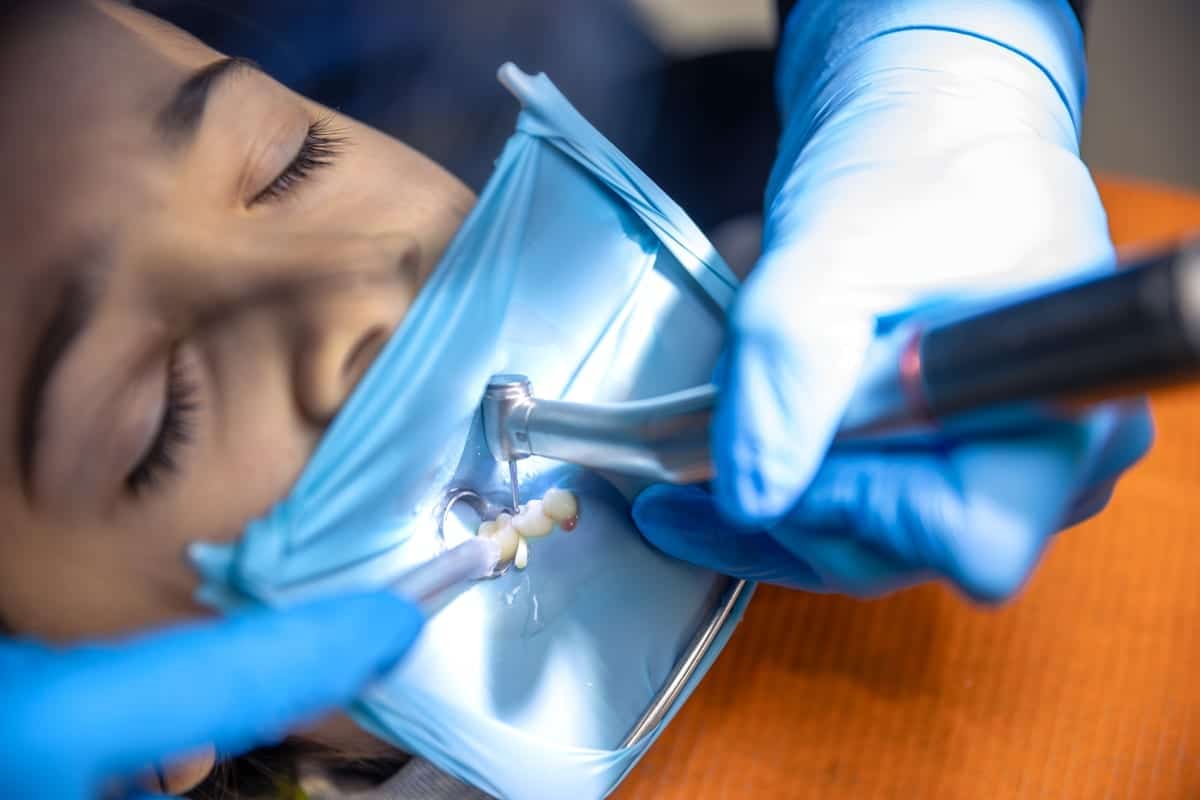
Root canal recovery doesn’t have to be stressful. Most patients in Matthews, NC heal comfortably within a few days when they follow the right aftercare steps. Understanding what to eat, pain relief tips, and warning signs in Matthews can make a real difference in how quickly you bounce back. At First in Smiles Dentistry, Dr. Hiren Patel guides every patient through a clear, manageable recovery plan.
What to Eat After a Root Canal in Matthews
Your mouth will feel tender and numb right after the procedure. Eating the wrong foods too soon can irritate the treated area or dislodge the temporary filling. Stick to soft, easy-to-chew options for the first 48 to 72 hours.
Here are some great food choices for early recovery:
- Yogurt and smoothies
- Mashed potatoes and soft cooked vegetables
- Scrambled eggs and oatmeal
- Applesauce and bananas
- Soup broth and soft pasta
Avoid hard, crunchy, or sticky foods during this phase. Nuts, chips, chewy candy, and raw vegetables can stress the treated tooth. Also skip very hot or very cold foods, since your tooth may be extra sensitive to temperature changes.
Chew on the opposite side of your mouth whenever possible. This simple habit protects the area and speeds up healing.
Pain Relief Tips: Managing Discomfort During Recovery
Some soreness after a root canal is completely normal. The tissues around the treated tooth experienced mild trauma during the procedure. Fortunately, most patients manage this discomfort easily with a few simple strategies.
Over-the-counter pain relievers work well for most people. Ibuprofen (Advil or Motrin) is often the first recommendation because it reduces both pain and inflammation. Acetaminophen (Tylenol) is a strong alternative if ibuprofen isn’t right for you. Always follow the dosage instructions on the package.
Additional comfort tips include:
- Apply a cold compress to your cheek for 10 minutes at a time during the first 24 hours
- Keep your head elevated when sleeping to reduce swelling
- Rinse gently with warm salt water after 24 hours
- Avoid strenuous physical activity for the first day or two
Dr. Patel may also prescribe a stronger pain reliever or antibiotic if needed. Always take any prescribed medications exactly as directed. Most patients find that discomfort fades significantly within two to three days.
How Long Does Sensitivity Last After a Root Canal?
Sensitivity varies from person to person. Most patients notice mild tenderness when biting down for three to five days after treatment. Some people experience temperature sensitivity for up to two weeks.
Your tooth will be protected with a temporary or permanent crown after the root canal. A well-fitted Dental Crowns Matthews restoration plays a key role in your long-term comfort. The crown seals the tooth and restores full biting function, which also reduces lingering sensitivity.
If sensitivity remains severe beyond two weeks, contact our office. This is not typical and may indicate a need for follow-up care. Mild, gradually improving sensitivity is expected and normal during the healing window.
Avoid using a whitening toothpaste during recovery. Opt for a sensitivity toothpaste with potassium nitrate or stannous fluoride instead. Your dentist can recommend the best option for your specific situation.
Warning Signs to Watch for After Your Root Canal
Knowing the warning signs of complications is just as important as following aftercare instructions. Most root canal recoveries go smoothly, but occasionally issues arise that need prompt attention.
Contact First in Smiles Dentistry right away if you notice any of these red flags:
- Severe or worsening pain that doesn’t improve after 72 hours
- Visible swelling in your gums, jaw, or face
- Fever above 100.4°F
- A bad taste or foul odor that doesn’t go away
- The temporary filling or crown feels loose or falls out
- Numbness that persists well beyond the expected timeframe
These symptoms can signal an infection or incomplete treatment. Early intervention prevents complications from becoming more serious. Dr. Patel and the team at First in Smiles are always ready to evaluate concerns quickly.
Don’t wait and hope symptoms resolve on their own. A quick check-up can provide reassurance or catch a problem early. Your comfort and health are always the priority at our Matthews practice.
Supporting Your Overall Oral Health After Recovery
Once you’ve healed from a root canal, returning to good daily habits is essential. Brush twice daily with a soft-bristled toothbrush and floss gently around the restored tooth. Regular dental cleanings help protect all your teeth long-term.
Preventive care is the best way to avoid future dental emergencies. Ask Dr. Patel about Dental Sealants Matthews to protect other vulnerable teeth from decay. Sealants are a simple, effective way to add an extra layer of defense.
Maintaining a balanced diet and limiting sugary snacks also supports oral health. Staying hydrated keeps your mouth moist and reduces bacteria. Small daily habits build the foundation for a healthy, lasting smile.
Your restored tooth can last a lifetime with proper care. Following through with the recommended crown placement and attending regular check-ups ensures the best long-term outcome. The team at First in Smiles Dentistry is here to support your smile every step of the way.
You’ve taken an important step by protecting your natural tooth with a root canal. Recovery is manageable with the right guidance, and you don’t have to navigate it alone. Book Now to schedule your appointment with our team.
Frequently Asked Questions
How long does root canal recovery take?
Most patients feel significantly better within three to five days. Full recovery, including any residual sensitivity, typically takes one to two weeks. Following your aftercare instructions closely helps speed up the healing process.
Can I go to work the day after a root canal?
Many patients return to work the next day without difficulty. If your job involves heavy physical activity, consider taking an extra day to rest. Listen to your body and give yourself time if you feel fatigued or sore.
Is it normal to feel pain a week after a root canal?
Mild sensitivity up to two weeks post-procedure can be normal, especially when biting. However, severe or worsening pain after one week is not typical and warrants a call to your dentist. Dr. Patel can evaluate whether follow-up care is needed.
What should I avoid eating after a root canal?
Avoid hard, crunchy, sticky, or chewy foods for the first few days. Very hot and very cold foods should also be limited due to temperature sensitivity. Soft foods like yogurt, mashed potatoes, and scrambled eggs are ideal during early recovery.
When should I call the dentist after my root canal?
Call your dentist immediately if you experience severe swelling, a fever, a persistent bad taste, or pain that worsens after 72 hours. These can be signs of infection or complications. Early contact with your dental team ensures any issues are addressed quickly and safely.