704-844-2943
AVAILABLE FOR EMERGENCIESOral Cancer Symptoms vs. Common Mouth Sores: How to Tell the Difference
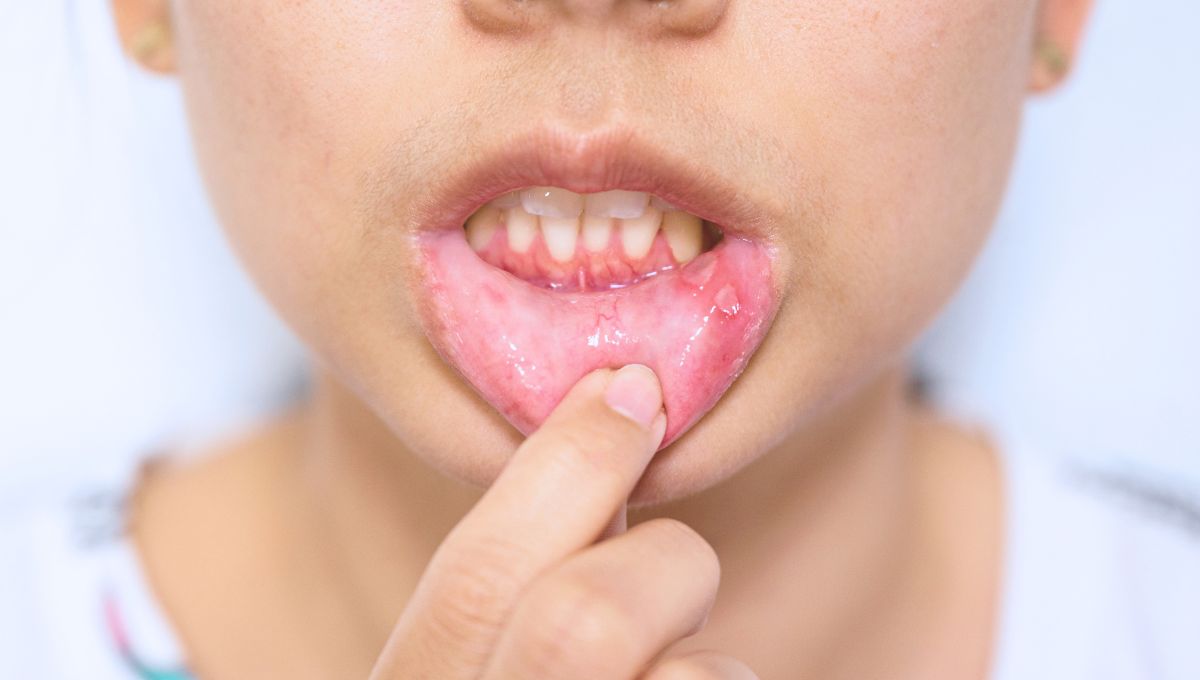
Are you concerned about a mouth sore that just won’t heal? It’s important to know the difference between common mouth sores and potential signs of oral cancer. While most mouth sores are harmless and heal on their own, some may indicate something more serious. Understanding these signs can help ensure you seek the right treatment at the right time. In this blog, we’ll dive into how to identify the differences between oral cancer and common mouth sores.
Recognizing the signs early can make all the difference when it comes to treatment and recovery. That’s why it’s crucial to know what to watch for so you can seek medical attention when necessary. Early detection of oral cancer can lead to more effective treatments and better outcomes. Let’s take a closer look at how to differentiate between these two conditions.
Understanding Common Mouth Sores
What Are Common Mouth Sores?
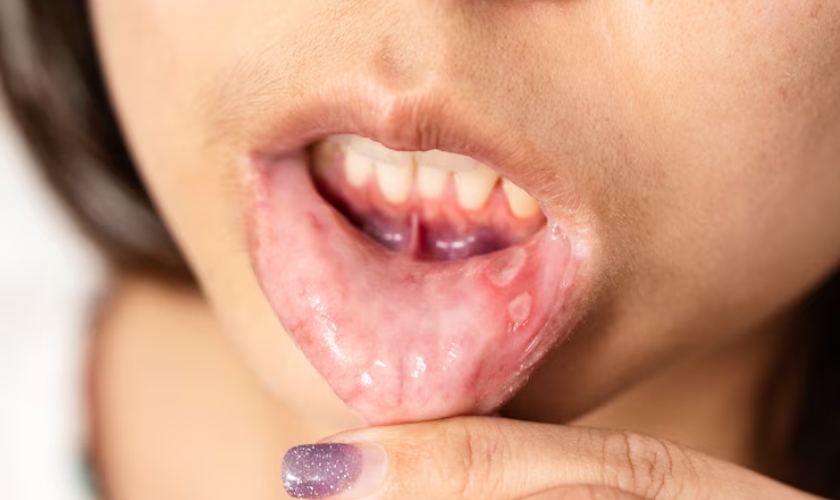
Mouth sores are common and can appear for a variety of reasons. The most frequent types are canker sores, cold sores, and irritation caused by braces or dental work. Canker sores are small, round ulcers that form inside the mouth, while cold sores, often triggered by the herpes simplex virus, typically appear on the lips or around the mouth. Braces or dental work can irritate the inside of your lips or cheeks, leading to painful sores.
Symptoms of Common Mouth Sores
Mouth sores often cause pain, swelling, and redness. They may appear as small bumps, blisters, or ulcers that can make eating or speaking uncomfortable. One key difference between common mouth sores and oral cancer is that mouth sores typically heal within 1-2 weeks.
This healing period is crucial, as sores that last longer could be a sign of something more serious. Irritation from braces or other dental appliances can also cause temporary sores that will resolve once the source of irritation is removed.
Treatment Options
Most common mouth sores can be managed at home. Over-the-counter treatments like topical gels or mouth rinses can provide pain relief. Saltwater rinses or baking soda solutions are also effective home remedies to reduce swelling and promote healing. If the sores persist beyond the typical healing time, it’s a good idea to consult with a healthcare provider.
Section 2: What Is Oral Cancer?
Overview of Oral Cancer
Oral cancer refers to cancers that develop in the mouth or throat, including the lips, gums, tongue, cheeks, and the roof or floor of the mouth. It’s a serious condition that often begins as a small, unnoticed growth that gradually worsens. Oral cancer can affect anyone, but it is more common in individuals who smoke, drink excessively, or have the human papillomavirus (HPV). Early detection through oral cancer screening in Matthews and treatment of oral cancer are critical for improving survival rates.
Risk Factors for Oral Cancer
Several factors increase the risk of developing oral cancer. Tobacco use, whether smoking or chewing tobacco, remains one of the primary risk factors. Alcohol consumption also contributes to the development of oral cancer, especially when combined with tobacco use.
In recent years, the human papillomavirus (HPV), particularly HPV 16, has been linked to a rise in oral cancer cases, especially in non-smokers. Additional risk factors include prolonged sun exposure (which can cause lip cancer) and a poor diet lacking in fruits and vegetables.
Symptoms of Oral Cancer
Key Symptoms to Watch For
Oral cancer may not present symptoms until it reaches a more advanced stage, which is why it’s essential to be vigilant. Key signs to look out for include:
- Sores that don’t heal: If a mouth sore lasts more than two weeks and doesn’t improve, it could be a sign of oral cancer.
- Persistent pain or tenderness: A sore in the mouth that causes ongoing discomfort could be a warning sign.
- Unexplained lumps or growths: If you notice any unusual lumps or thickening in the mouth, gums, or neck, it’s essential to get them checked.
- Difficulty swallowing or chewing: Oral cancer can make it painful or difficult to eat or drink.
- Numbness or bleeding: A persistent numb sensation or bleeding in the mouth is a cause for concern.
How to Identify Symptoms Early
Regular self-examinations can help you spot changes in your mouth early. Pay attention to any unusual changes, such as a sore that doesn’t heal, unexplained pain, or changes in your ability to speak or eat. Scheduling regular dental check-ups ensures that any signs of oral cancer are caught early, as dentists are trained to recognize early warning signs.
How to Differentiate Oral Cancer from Mouth Sores
Duration and Healing Time
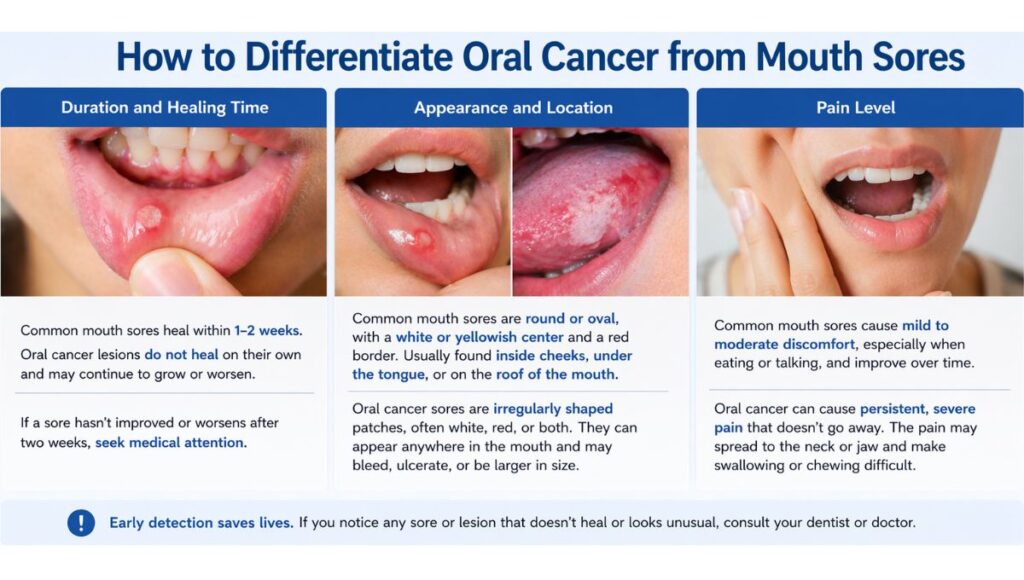
One of the most noticeable differences between common mouth sores and oral cancer is how long they last. Common mouth sores, such as canker sores or cold sores, typically heal within 1-2 weeks. These types of sores may be painful, but they generally do not persist beyond this time frame.
In contrast, oral cancer lesions do not heal on their own and may continue to grow or worsen over time. If you notice a sore or lesion in your mouth that hasn’t improved or worsens after two weeks, it’s crucial to seek medical attention.
Appearance and Location
The appearance and location of the sore can also offer important clues. Common mouth sores are usually round or oval, with a white or yellowish center and a red border. They are often found inside the cheeks, under the tongue, or on the roof of the mouth. These sores are typically small and well-defined.
On the other hand, oral cancer sores can appear as irregularly shaped patches, often white, red, or a combination of both. These patches can be larger and may bleed or ulcerate. Oral cancer can affect any part of the mouth, including the tongue, gums, lips, and the floor or roof of the mouth. The location and irregularity of these patches are signs to look for when differentiating oral cancer from a simple mouth sore.
Pain Level
Another key difference is the pain level. Common mouth sores typically cause mild to moderate discomfort, especially when eating or talking. This pain usually subsides as the sore begins to heal.
However, oral cancer can cause persistent, severe pain that doesn’t go away, even when no food or drink is being consumed. The pain may also spread to the neck or jaw and can make swallowing, chewing, or moving the mouth difficult. If the pain continues or worsens, it’s important to consult a healthcare provider for further evaluation.
Being aware of these differences can help you identify when a mouth sore may be more serious and requires immediate attention.
When to See a Dentist or Doctor
Signs That Require Immediate Attention
If you notice any of the symptoms of oral cancer, such as persistent sores, lumps, pain, or difficulty swallowing, it’s essential to see a dentist or doctor immediately. Oral cancer is more treatable when caught early, so don’t wait for symptoms to worsen before seeking help.
The Importance of Regular Dental Checkups
At First-In-Smiles Dentistry, regular dental exams are key to early detection of oral health issues, including oral cancer. Dentists can spot signs of oral cancer before you even notice symptoms. With early intervention, treatment outcomes are much better. Schedule your oral cancer screening in Matthews today and ensure your peace of mind.
In summary, while most mouth sores are harmless and go away on their own, some persistent sores may indicate oral cancer. Understanding the differences between these conditions and recognizing the symptoms early can save your life.
If you notice any changes in your mouth that last longer than two weeks, don’t hesitate to schedule an appointment with your dentist. Early detection of oral cancer is crucial for successful treatment, and regular screenings can help ensure your oral health stays in check.
At First-In-Smiles Dentistry, we are committed to providing thorough oral cancer screenings as part of your routine dental check-ups. Contact us today to schedule your consultation and ensure your oral health is in top shape.
What People Want to Know
How long should a mouth sore last before I get concerned?
If a mouth sore lasts longer than 2 weeks without improvement, you should see a dentist or doctor for evaluation.
What do common mouth sores look like?
Common mouth sores are often round or oval with a white or yellow center and a red border, and they are typically small.
Can oral cancer sores appear anywhere in the mouth?
Yes, oral cancer can affect any part of the mouth, including the tongue, gums, cheeks, and the roof or floor of the mouth.
Can mouth sores bleed?
Mouth sores may cause mild irritation or bleeding but typically don’t bleed excessively. Oral cancer sores, however, can bleed and may worsen.
When should I see a dentist for a mouth sore?
If a mouth sore lasts more than two weeks, or if it worsens, you should see a dentist or doctor for a thorough evaluation.