704-844-2943
AVAILABLE FOR EMERGENCIESDental Bridge Procedure in Matthews, NC

If you are missing one or more teeth near Stallings, NC, a dental bridge could restore your smile and confidence. Understanding what happens during your dental bridge procedure — step by step — makes the process far less intimidating. At First in Smiles Dentistry in Matthews, NC, Dr. Hiren Patel and his team guide every patient with care, patience, and clear communication. Knowing each stage ahead of time helps you feel prepared and at ease.
Step One: Your Initial Consultation and Exam in Stallings
Every dental bridge journey begins with a thorough consultation. Dr. Patel will examine your mouth, review your dental and medical history, and take digital X-rays. This helps him assess the health of the surrounding teeth and bone structure. He will then determine whether a traditional bridge, implant-supported bridge, or another option fits your situation best.
During this visit, Dr. Patel explains your options in plain language. He listens to your concerns and answers every question honestly. You will leave the appointment with a clear picture of your personalized treatment plan. There are no surprises — just straightforward, patient-centered care.
The consultation also serves as a chance to discuss your comfort preferences. If you experience dental anxiety, the team can discuss sedation options. Feeling safe and heard from the start sets the tone for a positive experience. First in Smiles Dentistry prioritizes your emotional well-being alongside your dental health.
Step Two: Preparing the Abutment Teeth and Taking Impressions
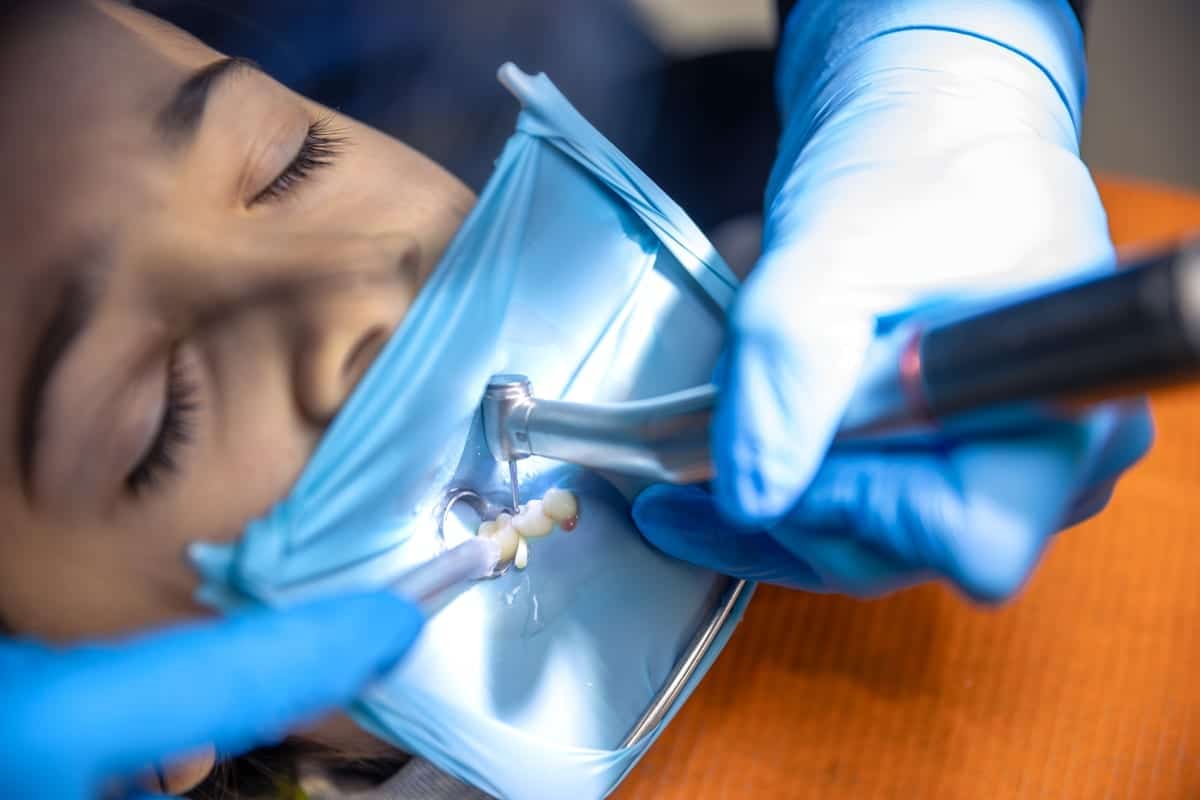
The second appointment focuses on preparing the teeth that will anchor your bridge. These anchor teeth are called abutment teeth. Dr. Patel reshapes them slightly to make room for the Dental Crowns that will hold the bridge in place. Local anesthesia is applied first, so you will feel little to no discomfort during reshaping.
Once the abutment teeth are prepared, the team takes precise dental impressions. These impressions capture the exact shape of your teeth, bite, and gum line. The impression data is sent to a dental laboratory where skilled technicians custom-craft your bridge. This process typically takes one to two weeks.
Before you leave this appointment, Dr. Patel places a temporary bridge over the prepared teeth. This protects your abutment teeth and fills the gap while your permanent bridge is being made. The temporary bridge also lets you chew and speak normally during the waiting period. You will receive detailed care instructions to keep it in good shape.
What You Can Expect to Feel at Each Stage
Many patients worry about pain during a dental bridge procedure. The good news is that modern dentistry makes discomfort very manageable. Dr. Patel uses gentle techniques and effective local anesthesia at every stage. Most patients report feeling only mild pressure — not pain — during preparation.
Here is what most patients experience at each stage of the procedure:
- Consultation: No discomfort. You simply talk, get examined, and have X-rays taken.
- Abutment preparation: Mild pressure after anesthesia takes effect. Sensitivity is minimal.
- Temporary bridge placement: Quick and comfortable. You may notice slight soreness for a day or two.
- Permanent bridge fitting: Minor adjustments are made. Mild tenderness may follow but fades quickly.
- Post-procedure: Normal chewing and speaking resume within days for most patients.
If you feel anxious at any point, simply let the team know. They will pause, reassure you, and adjust the pace to match your comfort level. Patient comfort is never an afterthought at First in Smiles Dentistry.
Step Three: Fitting and Cementing Your Permanent Bridge
Once the laboratory sends back your custom bridge, you return for your final fitting appointment. Dr. Patel removes the temporary bridge and carefully cleans the abutment teeth. He then places the permanent bridge to check the fit, color match, and bite alignment. Small adjustments are made until everything feels natural and looks seamless.
When the fit is perfect, Dr. Patel permanently cements the bridge into place. The cement is strong and designed to last for many years with proper care. After cementing, he checks your bite one more time to ensure comfort. Most patients leave this appointment with a fully restored, natural-looking smile.
Benefits of choosing a dental bridge include:
- Restores your ability to chew and speak properly
- Prevents remaining teeth from shifting out of position
- Maintains your facial shape and jawline structure
- Offers a natural appearance that blends with surrounding teeth
- Is a durable, long-lasting tooth replacement solution
Dr. Patel also provides guidance on maintaining your new bridge. Proper brushing, flossing under the bridge, and regular dental visits keep it strong. He may also recommend Dental Sealants to protect the surrounding natural teeth from decay. Prevention plays a big role in the long-term success of your bridge.
Aftercare and Long-Term Results for Stallings Patients
A well-maintained dental bridge can last ten to fifteen years or longer. The key is consistent oral hygiene and regular professional cleanings. Dr. Patel recommends brushing twice daily and using a floss threader or water flosser to clean under the bridge. Avoiding very hard or sticky foods also helps preserve the bridge over time.
You may notice slight sensitivity in the abutment teeth during the first few days. This is completely normal and typically fades within a week. Over-the-counter pain relievers can manage any discomfort during recovery. If sensitivity persists or worsens, contact First in Smiles Dentistry promptly.
Routine check-up appointments allow Dr. Patel to monitor the bridge, surrounding gums, and adjacent teeth. Early detection of any issues prevents more complex problems down the road. Stallings and Matthews patients enjoy the convenience of a friendly, experienced dental team close to home. Investing in your oral health today protects your smile for decades to come.
If you are ready to restore your smile with a dental bridge, First in Smiles Dentistry is here to help every step of the way. Dr. Hiren Patel and his compassionate team make the entire process comfortable, clear, and rewarding. Do not let a missing tooth hold you back any longer. Book Now to schedule your appointment with our team.
Frequently Asked Questions
How long does the dental bridge procedure take from start to finish?
Most patients complete the dental bridge process in two to three appointments over two to four weeks. The timeline depends on how quickly the dental laboratory fabricates your custom bridge. Dr. Patel will give you a personalized estimate during your consultation at First in Smiles Dentistry.
Will I be able to eat normally while wearing a temporary bridge?
Yes, you can eat most foods with a temporary bridge in place. However, it is best to avoid sticky, chewy, or very hard foods during this period. The temporary bridge is designed for short-term use, so gentle care helps it stay securely in place until your permanent bridge is ready.
Is a dental bridge the right choice for everyone with a missing tooth?
A dental bridge works well for many patients, but it is not the only option. Dental implants or partial dentures may suit some situations better. Dr. Patel evaluates each patient individually and recommends the solution that best fits their oral health, goals, and anatomy.
How do I clean under a dental bridge properly?
Cleaning under a bridge requires a floss threader, interdental brush, or water flosser. Regular floss cannot easily reach beneath the false tooth. Dr. Patel and the hygiene team at First in Smiles Dentistry will demonstrate the correct technique during your post-procedure appointment so you feel confident caring for your bridge at home.
What happens if my dental bridge feels loose or uncomfortable after placement?
Contact First in Smiles Dentistry as soon as possible if your bridge feels loose, uncomfortable, or causes pain. Minor adjustments can often resolve bite or fit issues quickly. Addressing concerns early prevents further complications and keeps your bridge functioning correctly for years to come.