704-844-2943
AVAILABLE FOR EMERGENCIESDental Bridge for Missing Teeth in Stallings, NC
Losing a tooth can feel overwhelming. You might wonder whether a dental bridge is right for your missing teeth in Stallings, or if another option suits you better. At First in Smiles Dentistry, Dr. Hiren Patel helps patients understand exactly what their smile needs. This article walks you through the candidacy process, the evaluation, and the key factors that guide treatment decisions.
What Is a Dental Bridge and How Does It Work?
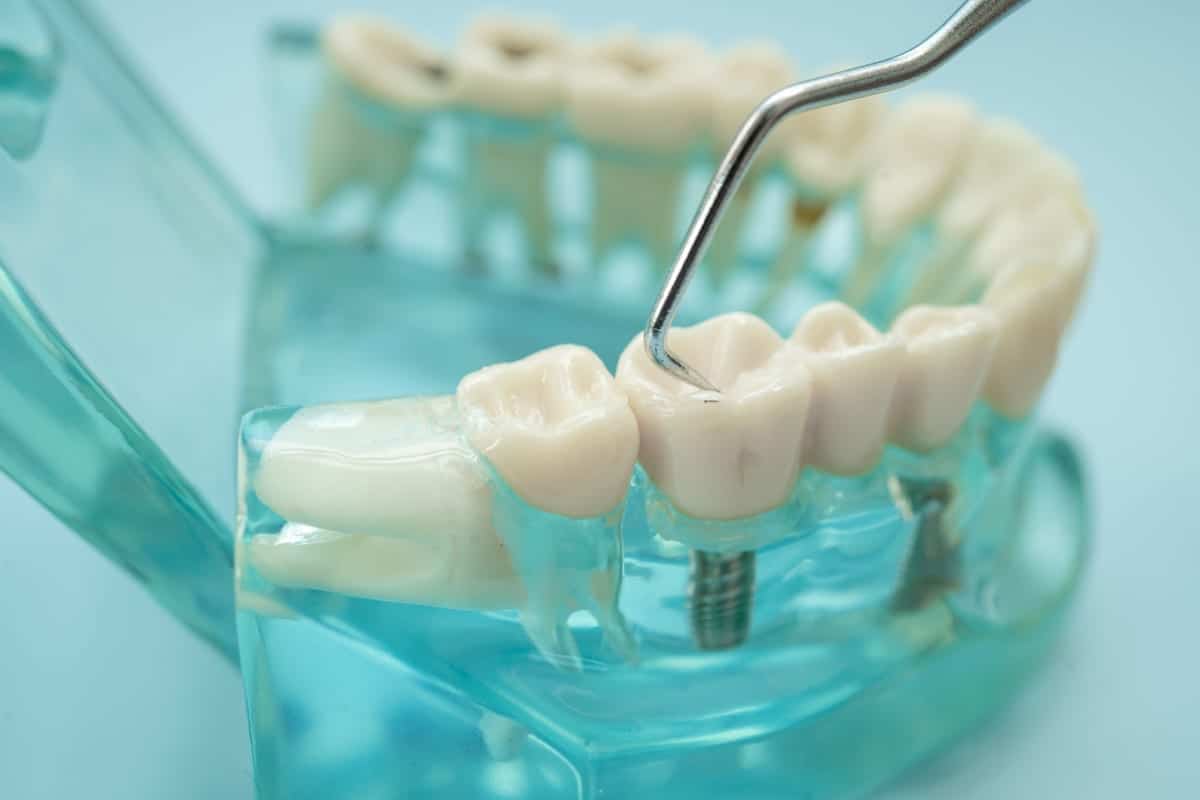
A dental bridge literally bridges the gap left by one or more missing teeth. It consists of one or more artificial teeth, called pontics, anchored by crowns on either side. The crowns attach to your natural teeth or implants, holding the bridge firmly in place. The result is a stable, natural-looking restoration that restores your bite and smile.
Bridges come in several types. Traditional bridges rely on healthy neighboring teeth for support. Implant-supported bridges use titanium posts instead of natural teeth. Cantilever bridges work when only one adjacent tooth is available. Dr. Patel will explain which design fits your unique situation during your consultation.
Are You a Good Candidate? Key Factors Dr. Patel Evaluates
Not everyone with a missing tooth is an ideal candidate for a bridge. Several health and structural factors determine the best approach. Dr. Patel performs a thorough evaluation before recommending any treatment. Understanding these factors helps you feel confident going into your appointment.
Here are the main criteria Dr. Patel considers during your candidacy evaluation:
- Healthy adjacent teeth: The neighboring teeth must be strong enough to support crowns. Weak or heavily restored teeth may not be suitable anchors.
- Sufficient bone density: Adequate jawbone supports long-term bridge stability. Bone loss may shift the recommendation toward implants.
- Good gum health: Active gum disease must be treated before placing a bridge. Healthy gums are essential for a lasting outcome.
- Number of missing teeth: Bridges work best when replacing one to three consecutive teeth. Larger gaps may need a different solution.
- Overall oral health: Decay, infection, or bite problems need attention first. A healthy foundation ensures the bridge performs well long term.
Patients in Stallings who visit Dr. Patel for an evaluation receive a comprehensive assessment. This includes digital X-rays, bite analysis, and a review of your dental history. The goal is to match you with the restoration that serves you best.
How a Dental Bridge Compares to Other Missing Tooth Options
Asking whether a dental bridge is right for your missing teeth in Stallings means exploring alternatives too. Bridges, implants, and dentures each have unique advantages. Dr. Patel helps you weigh these options based on your health, preferences, and goals. No single solution works for every patient.
Dental implants offer the most permanent solution available. They replace the tooth root and prevent bone loss over time. However, they require adequate bone, a surgical procedure, and a longer treatment timeline. Some patients prefer a bridge for its faster placement and non-surgical process.
Dentures can replace multiple missing teeth at once. They are removable and typically the most affordable option. However, they may feel less stable than fixed restorations. Patients who want something that stays in place often find bridges or implants more satisfying.
Bridges sit firmly between these two options. They are fixed, non-removable, and placed without surgery in most cases. They rely on Dental Crowns on adjacent teeth to stay secure. This makes them a practical middle ground for many Stallings patients.
What to Expect During Your Bridge Evaluation at First in Smiles Dentistry
Your first appointment with Dr. Patel focuses entirely on understanding your smile. You will never feel rushed or pressured during this visit. The evaluation is thorough, educational, and focused on your comfort. Here is what the process typically looks like:
- Comprehensive exam: Dr. Patel examines your teeth, gums, and bite. He checks for decay, gum disease, and structural concerns.
- Digital imaging: X-rays reveal bone levels and root health beneath the surface. This step is critical for planning accurate treatment.
- Discussion of goals: Dr. Patel listens to what matters most to you. Appearance, function, timeline, and comfort all influence the recommendation.
- Personalized treatment plan: You receive a clear, detailed plan outlining your options. Dr. Patel explains each step so you can make an informed decision.
Patients from Stallings travel to our Matthews office with confidence knowing they will receive straightforward, honest guidance. Dr. Patel takes time to answer every question thoroughly. You leave with a clear understanding of your path forward.
Supporting Your Long-Term Oral Health After a Bridge
Getting a bridge is only part of the story. Maintaining excellent oral hygiene keeps your bridge performing well for years. Proper care protects the supporting teeth and surrounding gum tissue. Dr. Patel and our team provide detailed home care instructions after placement.
Flossing under a bridge requires a floss threader or water flosser. Daily cleaning prevents plaque buildup around the crowns. Routine checkups at First in Smiles Dentistry allow Dr. Patel to monitor the bridge and adjacent teeth. Catching small issues early protects your long-term investment.
Preventive care extends beyond the bridge itself. If you have younger family members, ask about Dental Sealants to protect their natural teeth. Strong, healthy teeth in the future reduce the likelihood of tooth loss. Prevention and restoration work together for a lifetime of healthy smiles.
Conclusion: Take the First Step Toward Your Complete Smile
Deciding whether a dental bridge is right for your missing teeth in Stallings starts with an honest, personalized evaluation. Dr. Hiren Patel at First in Smiles Dentistry brings expertise, patience, and genuine care to every appointment. You deserve a complete smile that functions beautifully and looks natural. Book Now to schedule your appointment with our team.
Frequently Asked Questions
How long does a dental bridge last?
With proper care, a dental bridge typically lasts 10 to 15 years or longer. Regular checkups and good daily hygiene are the most important factors. Dr. Patel will monitor your bridge at every visit to ensure it remains in excellent condition.
Does getting a dental bridge hurt?
The procedure is performed under local anesthesia, so you should feel comfortable throughout. Some sensitivity in the days following placement is normal and temporary. Dr. Patel ensures every patient feels at ease before, during, and after treatment.
Can I eat normally with a dental bridge?
Yes, most patients return to eating their favorite foods after a short adjustment period. It is wise to avoid very hard or sticky foods that could stress the bridge. Dr. Patel will provide specific dietary guidance tailored to your restoration.
What happens to the teeth supporting the bridge?
The adjacent teeth are reshaped slightly to accommodate the crowns that anchor the bridge. This is a permanent change, so Dr. Patel carefully assesses whether those teeth are healthy enough to serve as anchors. Protecting these supporting teeth through good hygiene is essential for the bridge’s longevity.
Is a dental bridge the same as a dental implant?
No, they are different restorations. A bridge is fixed to adjacent teeth using crowns and does not replace the tooth root. An implant involves a titanium post placed into the jawbone, acting as an artificial root. Dr. Patel will help you determine which option best suits your health, goals, and timeline.