704-844-2943
AVAILABLE FOR EMERGENCIESCan Dental Bonding Repair a Receding Gum Line?
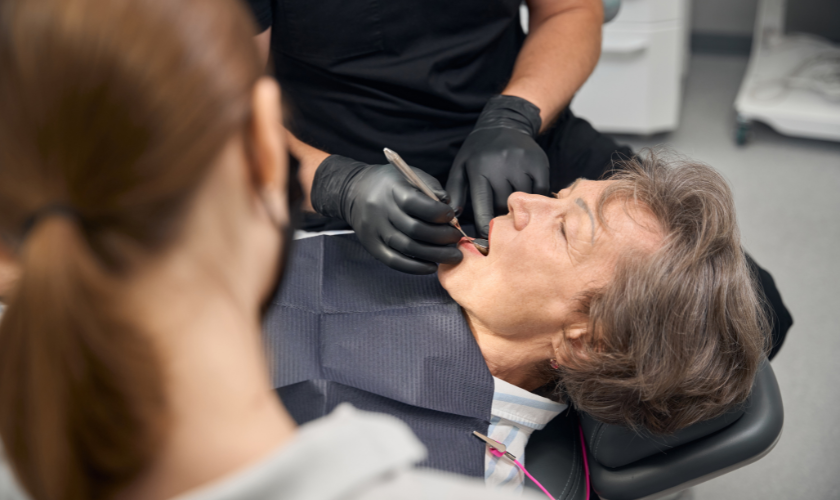
A receding gum line can feel like a small cosmetic issue at first. But over time, it may lead to discomfort, sensitivity, and the worry that your smile is changing in ways you didn’t expect. If you’re noticing more tooth surface near the gum edge, or if your teeth feel longer than they used to, you’re not alone. Many people notice similar changes as they age or after years of aggressive brushing.
You’ve likely heard about a range of dental solutions for smile concerns, from veneers to gum grafts, but one question keeps coming up among patients here: can dental bonding help with a receding gum line? Let’s take an informative look at what receding gums really mean, when bonding may be helpful, and when other treatment options make more sense.
What Causes a Receding Gum Line?
Before exploring whether bonding can help, it’s useful to understand why gums recede:
- Brushing too hard. Using a brush with firm bristles or applying too much pressure can wear away gum tissue over time.
- Periodontal (gum) disease. Bacterial infection can destroy gum tissue and the bone that supports teeth.
- Genetics. Some people are simply more susceptible, even with diligent care.
- Tobacco use. Smoking or chewing tobacco increases the risk of gum problems.
- Teeth grinding. Clenching and grinding can put pressure on gums and bone.
- Misaligned teeth. Teeth that don’t hit together evenly can affect gum health.
A receding gum line doesn’t always cause pain, but sensitivity to hot or cold foods and an increased risk of decay near the gum line are common concerns. If you’re in Matthews and notice these symptoms, it’s worth bringing them up at your next check‑up.
What Is Dental Bonding?
Dental bonding is a cosmetic technique that uses a tooth‑colored resin material to alter the appearance of a tooth’s surface. It’s commonly used to fix minor chips, close small gaps, or improve the look of discolored areas. The material is shaped and polished to blend with your natural enamel, creating a smooth, visually pleasing surface.
In some cosmetic cases, bonding can be added near the gum line to address uneven edges or exposed tooth roots. But there are limits to what bonding can achieve when gum tissue has pulled back significantly.
Can Dental Bonding Fix Receding Gums?
The short answer is that bonding may help in very select situations, but it is not a treatment for gum recession itself. Here’s why:
- Bonding doesn’t replace lost gum tissue. If gum tissue has receded, the root surface is exposed. Bonding can cover small areas of exposed root for cosmetic purposes, but it doesn’t stop gum recession or rebuild the tissue that’s lost.
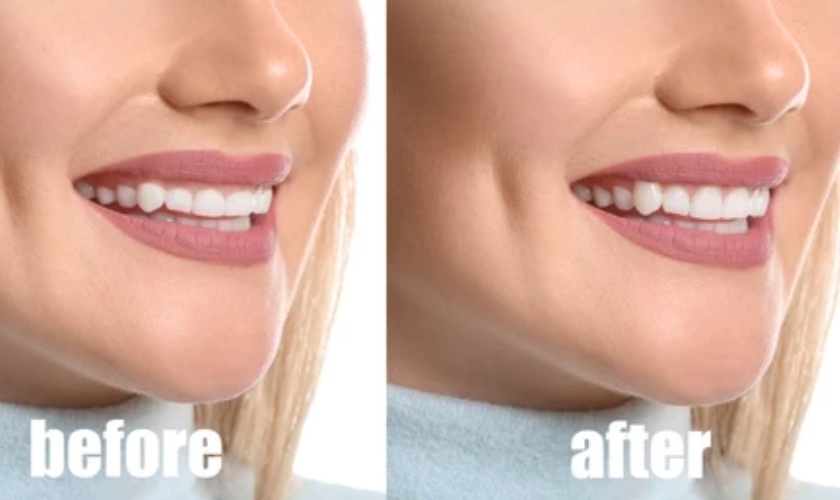
- It can improve appearance. For a mild recession where the concern is a small gap between the gum edge and crown of the tooth, resin can be placed to smooth the transition and make the teeth look more even.
- It isn’t a long‑term solution for tissue loss. The underlying cause — such as gum disease or toothbrush trauma — must be addressed to prevent further recession.
At First-In-Smiles Dentistry, solutions are tailored to each individual. If cosmetic concerns are your primary worry, bonding may be part of the discussion. If there’s active gum disease or deeper recession, other methods may be more appropriate.
After the first 100 words above, the next mention of our services, such as dental bonding in Matthews, helps connect readers with the specific care available here.
When Bonding Might Be Helpful
Bonding can be beneficial in cosmetic situations like:
- Covering small exposed root surfaces that are sensitive or discolored.
- Smoothing uneven edges that make the gum line look jagged.
- Improving the look of teeth that appear “longer” due to minor recession.
This isn’t a substitute for healthy gum tissue, but for many in Matthews who want a more balanced look without extensive procedures, bonding can be a comfortable, same‑day option.
What Treatment Is Best for Significant Recession?
If the recession is more than minor, there are other, more effective options:
1. Gum Grafting/Sculpting
A periodontist can take tissue from another area (or use donor tissue) to cover exposed roots. This restores the gum to a healthier level and protects sensitive areas.
2. Scaling and Root Planing
If gum disease is present, a deep cleaning can remove bacteria under the gum line and help tissues heal.
3. Lifestyle Adjustments
Changing brushing techniques, switching to a soft‑bristle brush, and quitting tobacco can slow or prevent further recession.
Your dentist will assess the severity of the recession and recommend a treatment plan that balances function, comfort, and appearance.
How We Evaluate Your Smile
During your visit to First-In-Smiles Dentistry, your dentist will:
- Review your oral health history and concerns.
- Examine gum levels, tooth roots, and bone support.
- Use dental imaging if needed to see beneath the gum surface.
- Talk through treatment options and likely outcomes.
- Explain costs and what to expect during recovery.
We want you to feel informed and comfortable with whatever plan you choose — whether it’s cosmetic enhancement, gum health therapy, or both.
Tips for Protecting Your Gum Line in Matthews
Protecting your smile doesn’t stop after treatment. These habits can help slow or prevent further recession:
- Brush gently with a soft‑bristle brush twice a day.
- Floss daily to remove plaque between teeth.
- Visit for regular cleanings to keep gingivitis under control.
- Wear a night guard if you grind your teeth.
- Manage tobacco use, which accelerates gum problems.
- Eat a balanced diet rich in vitamins and minerals that support tissue health.
Combining good habits with professional care gives your smile the best chance of staying strong for years to come.
Receding gums can feel personal, both cosmetically and functionally. If you’re curious whether a cosmetic approach like bonding or a restorative treatment is right for you, scheduling a conversation is the best next step. Our team is here to help you explore what makes sense for your smile and your daily life.
Book an appointment today to get a smile that feels as good as it looks.
FAQs
Q: Is gum recession reversible?
A: Once gum tissue has receded, the body won’t grow it back on its own. Treatments such as gum grafting can restore tissue, while lifestyle changes and periodontal care can help prevent further recession.
Q: Will bonding feel different from my natural teeth?
A: Bonding material is designed to match the texture and color of your enamel. Once placed and polished, most people don’t notice a difference when eating or speaking.
Q: How long does bonding last?
A: With proper care, bonding can last several years. Avoiding overly hard foods and grinding can help extend its lifespan.
Q: Is bonding covered by insurance?
A: Coverage varies by plan. Cosmetic bonding is typically not fully covered, but portions of the cost may be applied depending on your insurance benefits.
Q: Does treatment hurt?
A: Most cosmetic procedures, like bonding, are painless and require minimal prep. Gum grafts and periodontal treatments may involve some discomfort afterward, but pain management options are available.