704-844-2943
AVAILABLE FOR EMERGENCIES5 Common Myths About Dental Sealants
Many people have heard about dental sealants, but most are unsure of their purpose. Some people skip them altogether simply because of the mixed opinions circulating online. The right information cuts through the noise and helps you make better choices—especially if you’re trying to look out for your kid’s teeth or just want to step up your own dental care. So, let’s get to the truth about dental sealants, clear up the confusion, and help you feel good about what keeps your smile strong.
Why Dental Sealants Deserve More Attention
Think of dental sealants as a thin shield for your molars. Dentists brush them right over the grooves in your back teeth—the same spots where food and bacteria love to hide out. That’s why dental groups all over the country continue to recommend them. And it’s not just talk: the CDC says sealants can cut cavity risk in kids by up to 80%. Adults with deep grooves in their molars also reap significant benefits from them.
Myth #1: “Sealants Are Just for Kids”
Yes, dentists often recommend sealants for children, but adults with deep grooves or a history of cavities can also benefit from them. If you frequently catch food stuck in your back teeth or have had more than a couple of fillings, your dentist may recommend dental sealants as additional protection.
Myth #2: “Sealants Mean You Can Skip Brushing or Flossing”
Nope. Sealants are a layer of protection, not a shortcut. They only cover the chewing surfaces, not the spaces between your teeth. You still need to brush twice a day and floss to prevent plaque from accumulating around your gums. Sealants just make it harder for cavities to get started in the first place.
Myth #3: “Sealants Don’t Last Long Enough to Bother With”
Good sealants can last for 5 to 10 years if you maintain your regular appointments. Your dentist checks on them during your cleanings and can patch them up if needed. Many people receive several years of cavity protection from a single application, making them a solid part of any prevention plan.
Myth #4: “Sealants Have Dangerous Ingredients”
Dental sealants undergo rigorous safety checks. The American Dental Association backs their use for both kids and adults. Research shows the benefits of stopping tooth decay far outweigh the tiny concerns you’ll see on social media.
Myth #5: “You Only Need Sealants If You Already Have Cavities”
Actually, sealants do their best work before you get a cavity. If there’s already a hole, you’re looking at a filling. Sealants are perfect for sealing off deep grooves, especially in children who are still learning how to brush effectively. Getting them early helps you avoid bigger dental work later.
What Happens at a Sealant Appointment
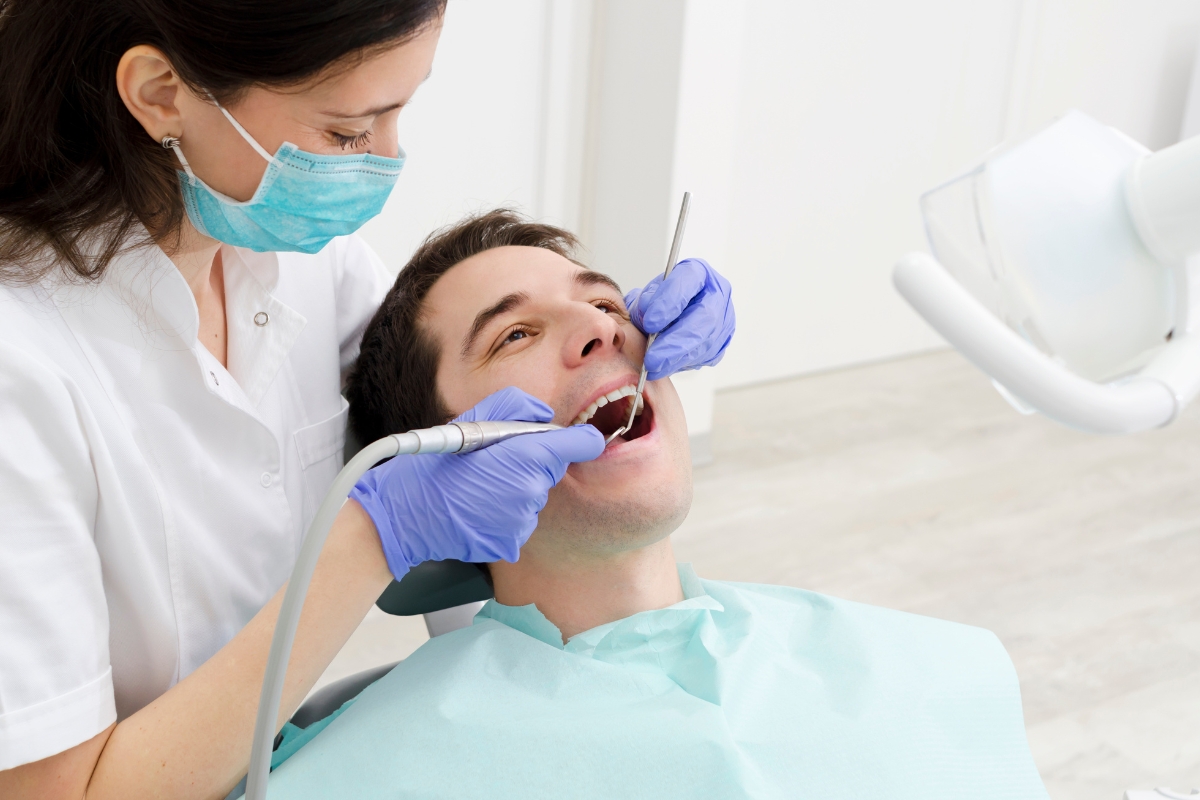
It’s quick and easy—no stress here. The dentist cleans and dries your molars, applies a conditioning gel to help the sealant adhere, brushes on the sealant, and then uses a special light to harden it. No pain, no needles, and you’re done before you know it.
Dental sealants are one of the most effective and proven ways to prevent cavities. Once you know what’s real and what’s just a rumor, it gets a lot easier to make choices that actually protect your teeth. Your smile deserves honest advice and care that works. If you’ve been holding back on sealants because of doubts or mixed messages, now’s the time to talk to a dentist you trust. Reach out to First in Smiles Dentistry, book your visit, and take a simple step toward stronger, healthier teeth.
FAQs
Are dental sealants noticeable?
They blend naturally with the tooth and are barely visible once placed. Most people forget they’re there after the first day.
Do sealants work for adults?
Yes. Adults with deep grooves, early enamel wear, or a history of dental decay often benefit from sealants as an added layer of protection.
How often should sealants be checked?
They are usually checked during every routine dental exam. Your dentist will ensure they remain intact and protective.
Do sealants feel different while chewing?
They may feel slightly raised at first, but this sensation settles quickly. Your bite adjusts without any discomfort.
Can sealed teeth still get cavities?
Yes, though the risk is significantly lower. Good brushing, flossing, and regular exams are still important.